

24
2025
-
11
Comparing Front Terminal AGM Batteries with Gel and Flooded Batteries: A Comprehensive Guide
Introduction to Battery Types
In the world of consumer electronics, the choice of battery can significantly impact the performance and longevity of devices. Among various options available, **Front Terminal Absorbent Glass Mat (AGM) batteries**, **gel batteries**, and **flooded batteries** stand out for their unique characteristics and applications. Understanding these battery types is crucial for selecting the right power source for your needs.
What are Front Terminal AGM Batteries?
Front Terminal AGM batteries utilize advanced technology to offer superior performance and efficiency. The **Absorbent Glass Mat (AGM)** design incorporates glass mats soaked in electrolyte, providing a maintenance-free, sealed battery with impressive discharge rates. These batteries are specifically designed for applications where space and ease of access are paramount.
Key Features of Front Terminal AGM Batteries
1. **Maintenance-Free:** AGM batteries do not require regular maintenance, making them ideal for users who prefer a hassle-free experience.
2. **Space Efficiency:** The front terminal design allows for easy installation in tight spaces, making them suitable for various applications, including telecommunications and renewable energy systems.
3. **High Discharge Rates:** AGM batteries excel in delivering high currents, making them ideal for applications that demand quick bursts of energy, such as starting engines and powering electronic devices.
Exploring Gel Batteries
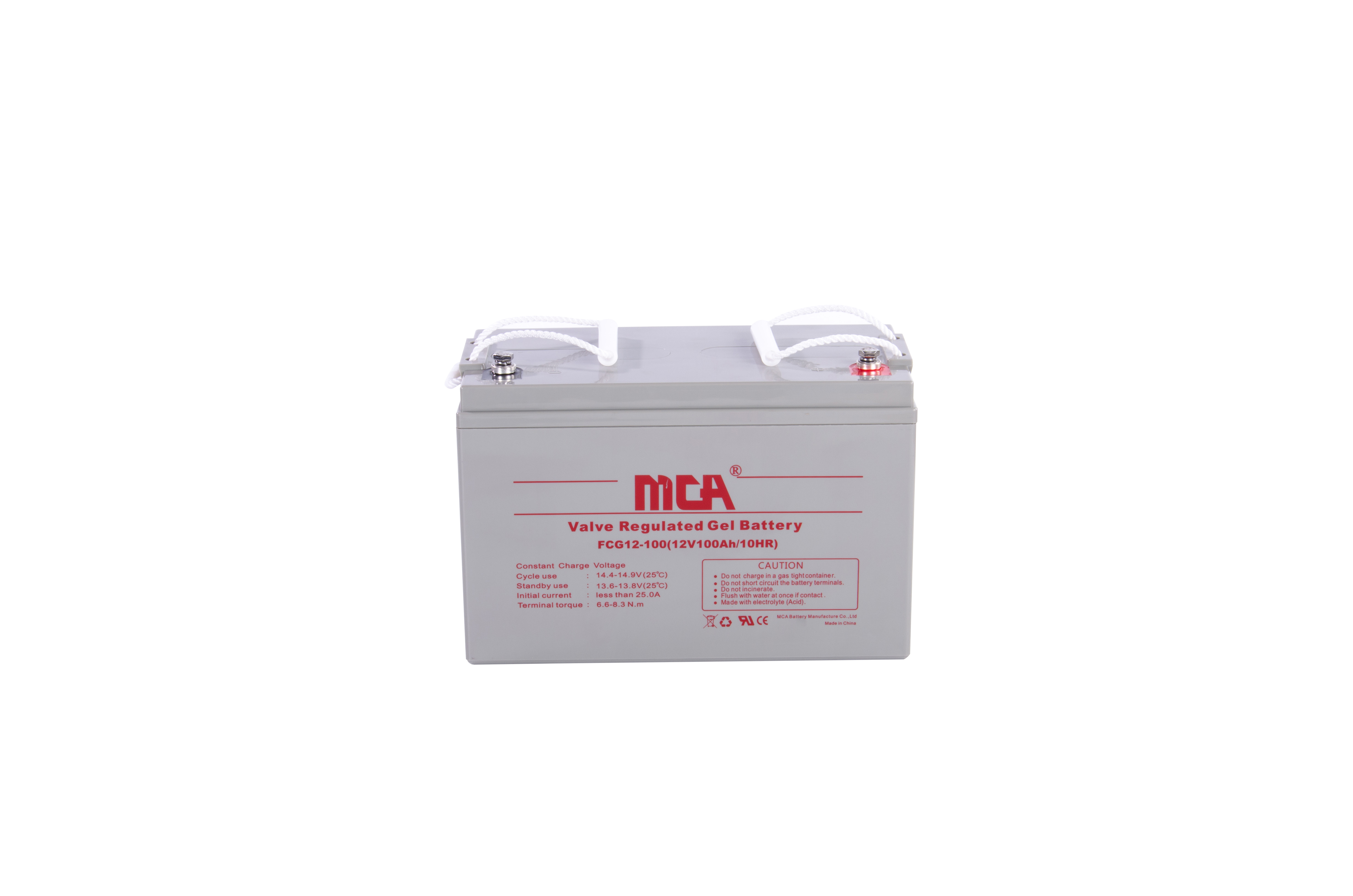
Gel batteries are another popular choice in the battery market, utilizing a gel-like electrolyte to enhance performance and safety. This gel state prevents spillage and allows for operation in various orientations, offering versatility for different applications.
Characteristics of Gel Batteries
1. **Deep Cycle Capability:** Gel batteries are designed to withstand deep discharges, making them ideal for applications that require sustained energy over longer periods, such as solar energy systems and electric vehicles.
2. **Vibration Resistance:** The gel composition makes these batteries more resistant to vibrations, which is essential for mobile applications, such as RVs and boats.
3. **Safety Features:** Gel batteries are less prone to leakage and gas emissions, providing a safer option in enclosed spaces.
Understanding Flooded Batteries
Flooded batteries, also known as wet cell batteries, are the traditional battery type that has been in use for decades. They consist of lead plates submerged in liquid electrolyte, offering a reliable power source for various applications.
Pros and Cons of Flooded Batteries
1. **Affordability:** Flooded batteries are generally less expensive than AGM and gel batteries, making them a cost-effective option for budget-conscious consumers.
2. **Durability:** These batteries can withstand harsh conditions and are often used in industrial settings where high reliability is essential.
3. **Maintenance Required:** Flooded batteries require regular maintenance, including checking electrolyte levels and topping up with distilled water, which can be a drawback for some users.
Key Comparisons: AGM vs. Gel vs. Flooded Batteries
When choosing between these three battery types, it's essential to evaluate their **performance**, **lifespan**, **maintenance requirements**, and **cost**.
Performance
AGM batteries lead in performance, especially in high-drain applications, thanks to their rapid discharge capabilities. Gel batteries are excellent for deep cycle applications, while flooded batteries are reliable but may not deliver the same instantaneous power levels.
Lifespan
AGM batteries typically have a longer lifespan than gel and flooded batteries, often lasting up to **8-12 years** with proper care. Gel batteries have a lifespan of about **5-7 years**, and flooded batteries usually last around **3-5 years**, depending on maintenance and usage.
Maintenance Requirements
AGM and gel batteries are virtually maintenance-free, while flooded batteries require regular checks and maintenance, including topping up the water levels and cleaning terminals to prevent corrosion.
Cost Comparison
Flooded batteries are generally the most affordable option, followed by gel batteries, with AGM batteries typically being the most expensive. However, the initial cost should be weighed against longevity and performance.
Applications of Each Battery Type
Understanding where each battery type excels can help you make a more informed decision.
Common Uses for AGM Batteries
- **Telecommunications**: AGM batteries are widely used in UPS systems for telecommunications infrastructure due to their reliability and quick discharge capabilities.
- **Solar Energy Systems**: The efficiency and maintenance-free nature of AGM batteries make them popular for solar energy storage.
Common Uses for Gel Batteries
- **Renewable Energy**: Gel batteries are excellent for solar and wind energy storage due to their deep cycle capabilities.
- **Recreational Vehicles**: Their vibration resistance and safety features make gel batteries ideal for RVs, boats, and off-grid applications.
Common Uses for Flooded Batteries
- **Automotive**: Flooded batteries are commonly used in conventional vehicles as starting batteries due to their affordability.
- **Industrial Applications**: Their durability makes them suitable for forklifts and other industrial machinery where high reliability is necessary.
FAQs About Front Terminal AGM, Gel, and Flooded Batteries
1. What is the main advantage of AGM batteries over gel batteries?
AGM batteries offer superior discharge rates and longer lifespans, making them ideal for high-demand applications.
2. Are gel batteries suitable for freezing temperatures?
Yes, gel batteries can operate in lower temperatures, but their performance may decrease at extreme cold.
3. How often do I need to maintain flooded batteries?
Flooded batteries require maintenance approximately every month, including checking the electrolyte levels and cleaning terminals.
4. Can AGM batteries be used in deep cycle applications?
Yes, AGM batteries can function effectively in deep cycle applications, although gel batteries are generally more suited for continuous deep discharges.
5. Which battery type is the most environmentally friendly?
Gel batteries are often considered more environmentally friendly due to their sealed design, preventing leakage and emissions.
Conclusion
In summary, the choice between Front Terminal AGM batteries, gel batteries, and flooded batteries depends on your specific needs, including performance requirements, budget, and maintenance preferences. **AGM batteries** offer high performance and longevity, making them suitable for demanding applications. **Gel batteries** excel in deep cycle scenarios, while **flooded batteries** provide affordability and durability. By understanding the strengths and weaknesses of each type, you can make a well-informed decision that best meets your energy needs.
Relevant News

DO YOU HAVE QUESTIONS?
Get In Touch With Us!

MCA Battery Manufacture Co.,Ltd.
WhatsApp/Tel: +86 15919097582
E-mail: export@mcabattery.com
Add: Cangjing Industrial Park, Gaoming, Foshan city, Guangdong Province, China.


