

22
2026
-
01
Front Terminal AGM Batteries: Essential Safety Tips for Users and Installers
Front Terminal AGM Batteries: Essential Safety Tips for Users and Installers
Table of Contents
- 1. Introduction to Front Terminal AGM Batteries
- 2. Understanding AGM Battery Technology
- 3. Common Safety Concerns with AGM Batteries
- 4. Safety Tips for Installing AGM Batteries
- 5. Operational Safety Tips for Users
- 6. Maintenance Best Practices for AGM Batteries
- 7. Emergency Protocols for AGM Battery Failures
- 8. Frequently Asked Questions
- 9. Conclusion
1. Introduction to Front Terminal AGM Batteries
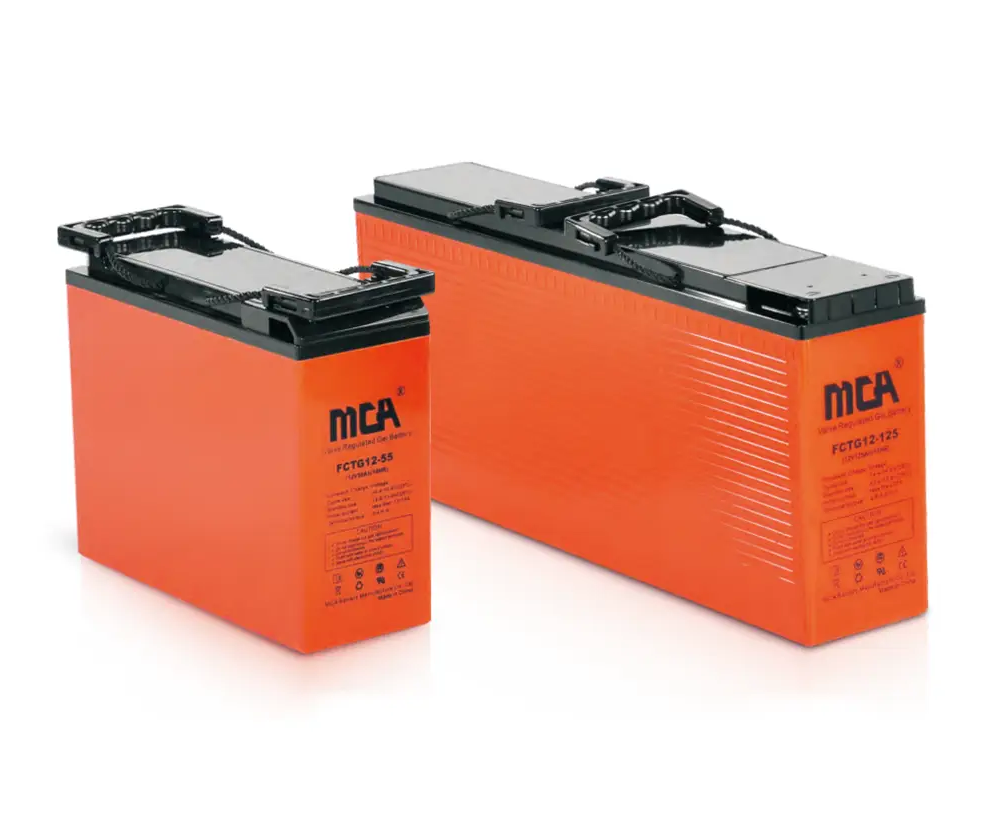
Front Terminal Absorbent Glass Mat (AGM) batteries have become increasingly popular in various applications, from telecommunications to renewable energy systems. Their unique design and features make them ideal for specific uses, but safety remains a paramount concern for users and installers alike. This article will delve into essential safety tips, addressing potential hazards and providing guidance to ensure safe handling and efficient operation of Front Terminal AGM batteries.
2. Understanding AGM Battery Technology
AGM batteries employ a specialized design that utilizes absorbed glass mat technology to hold the electrolyte in place. This design ensures that the battery remains leak-proof and can operate in multiple orientations. Some key advantages of Front Terminal AGM batteries include:
2.1 Advantages of AGM Batteries
- **Maintenance-Free**: AGM batteries do not require regular maintenance like traditional lead-acid batteries.
- **High Discharge Rates**: They can deliver high currents, making them suitable for demanding applications.
- **Vibration Resistance**: AGM batteries are designed to withstand vibrations, making them ideal for mobile applications.
2.2 Limitations of AGM Batteries
- **Temperature Sensitivity**: Their performance can degrade in extreme temperatures.
- **Cost**: AGM batteries are generally more expensive than conventional batteries.
Understanding these characteristics is essential for ensuring proper usage and safety measures.
3. Common Safety Concerns with AGM Batteries
While AGM batteries are designed with safety in mind, there are still potential hazards associated with their use. Recognizing these concerns can help mitigate risks effectively.
3.1 Chemical Hazards
AGM batteries contain sulfuric acid, which can be harmful if leaked or if the battery is improperly handled. Always check for signs of damage before installation and use.
3.2 Electrical Hazards
Electrical shock is a significant risk when dealing with any battery. Proper precautions should be taken to avoid contact with terminals and ensure that tools used are insulated.
3.3 Thermal Runaway
Overcharging or overheating can lead to thermal runaway, a dangerous condition where the battery temperature increases uncontrollably. Monitoring battery temperature during use is essential.
4. Safety Tips for Installing AGM Batteries
The installation process is crucial for ensuring optimal performance and safety. Here are some essential tips for safely installing Front Terminal AGM batteries.
4.1 Choose the Right Location
Ensure that the installation location is dry, well-ventilated, and away from flammable materials. Proper spacing is also necessary to prevent overheating.
4.2 Use Protective Gear
Always wear appropriate personal protective equipment (PPE) when handling batteries, including gloves and safety goggles, to protect against battery acid and electrical hazards.
4.3 Follow Manufacturer Guidelines
Refer to the manufacturer’s installation instructions for specific requirements, including recommended tools and techniques for installation.
5. Operational Safety Tips for Users
Once installed, it’s crucial to operate Front Terminal AGM batteries safely. Below are key practices to follow.
5.1 Regular Monitoring
Regularly check the battery's voltage and temperature to ensure it’s functioning within the recommended parameters. This practice helps in identifying any issues early.
5.2 Avoid Overloading
Ensure that the battery is not overloaded beyond its rated capacity. Overloading can lead to overheating and damage.
5.3 Proper Charging Techniques
Use the correct charger for AGM batteries and avoid overcharging. Employ smart charging solutions that automatically stop charging when the battery is full.
6. Maintenance Best Practices for AGM Batteries
Although AGM batteries are maintenance-free, some practices can enhance their lifespan and ensure safety.
6.1 Keep Terminals Clean
Regularly inspect and clean terminals to prevent corrosion and maintain a good electrical connection. Use appropriate cleaning solutions to avoid damaging the battery.
6.2 Inspect for Damage
Frequently check for physical damage or leaks. Any signs of swelling, cracks, or corrosion should be addressed immediately.
6.3 Monitor Battery Age
Be aware of the battery's age. Most AGM batteries have a lifespan of 3 to 5 years, after which their performance may decline significantly.
7. Emergency Protocols for AGM Battery Failures
In the event of a battery failure, having a clear protocol can help mitigate risks and ensure safety.
7.1 Identify the Signs of Failure
Common signs of battery failure include overheating, swelling, or unusual noises. Recognizing these signs early can prevent accidents.
7.2 Evacuate and Ventilate
If a failure occurs, immediately evacuate the area and ventilate the space to disperse any fumes.
7.3 Contact Professionals
Consult professionals for battery disposal and replacement to ensure compliance with safety standards and local regulations.
8. Frequently Asked Questions
8.1 What is the lifespan of a Front Terminal AGM battery?
Typically, Front Terminal AGM batteries last between 3 to 5 years, depending on usage and maintenance.
8.2 Can AGM batteries be used in extreme temperatures?
AGM batteries perform poorly in extreme temperatures. It's best to use them within the manufacturer-recommended temperature range.
8.3 How do I know if my AGM battery is overcharged?
Signs of overcharging include excessive heat, swelling, and leakage. Monitoring the battery temperature can help avoid this issue.
8.4 Are AGM batteries safe for indoor use?
Yes, AGM batteries are designed to be safe for indoor use due to their sealed construction, but proper ventilation is still recommended.
8.5 What should I do if my AGM battery leaks?
If you notice a leak, evacuate the area and follow your emergency protocols. Contact a professional for proper cleanup and disposal.
9. Conclusion
Front Terminal AGM batteries are a reliable power source when used correctly. By following the safety tips outlined in this article, users and installers can ensure optimal performance while minimizing risks. Regular monitoring, proper installation, and adherence to safety protocols contribute to a successful and safe experience with AGM batteries. Remember, safety should always be a priority in any battery operation or installation.
DO YOU HAVE QUESTIONS?
Get In Touch With Us!

MCA Battery Manufacture Co.,Ltd.
WhatsApp/Tel: +86 15919097582
E-mail: export@mcabattery.com
Add: Cangjing Industrial Park, Gaoming, Foshan city, Guangdong Province, China.


