

21
2026
-
03
Exploring the Benefits of Rack Mounted Lithium Batteries in Modern Electrical Systems
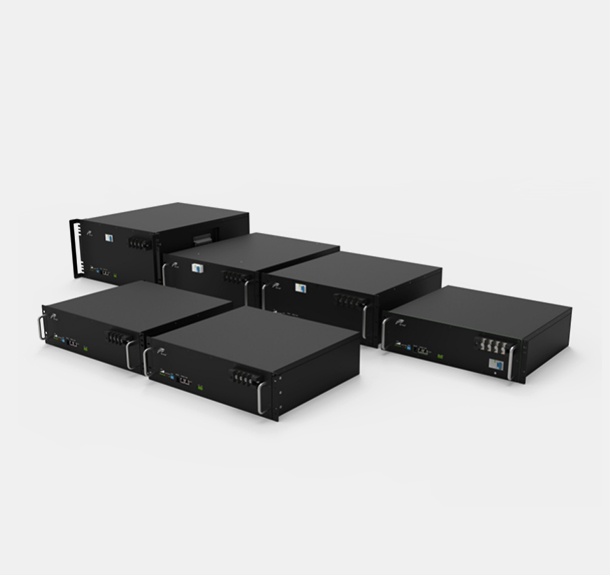
Rack mounted lithium batteries are gaining prominence in various sectors due to their compact design, high energy density, and reliability. These batteries are specifically designed to be installed in standard rack systems, making them suitable for applications where space efficiency is crucial, such as data centers, telecommunications, and emergency backup power systems.
One of the primary benefits of rack mounted lithium batteries is their ability to provide high power output in a smaller footprint compared to traditional lead-acid batteries. This attribute is particularly advantageous in environments where space is limited, allowing for the optimal utilization of available real estate. Additionally, lithium batteries have a much longer lifespan, often exceeding 10 years with minimal degradation, which translates to reduced maintenance costs and less frequent replacements.
From a technical standpoint, rack mounted lithium batteries typically feature advanced battery management systems (BMS) that monitor and manage the performance of individual cells. This ensures optimal charging and discharging cycles, contributes to safety features such as overcharge protection, and extends the overall life of the battery pack. Moreover, lithium batteries can be charged and discharged at a faster rate compared to traditional batteries, making them ideal for applications requiring quick bursts of power.
Integration of rack mounted lithium batteries into existing electrical systems requires careful consideration of several factors. First, compatibility with the existing infrastructure is crucial; professionals should verify that their current battery management systems and inverters can support lithium technology. Furthermore, the environmental conditions of the installation site should be assessed, as lithium batteries typically operate best within specific temperature ranges.
Safety is another critical aspect when dealing with rack mounted lithium batteries. While they are generally safer than their lead-acid counterparts, it is essential to follow best practices during installation and operation. This includes ensuring proper ventilation, avoiding overloading circuits, and adhering to manufacturer guidelines for installation and maintenance.
In summary, rack mounted lithium batteries offer a range of advantages, including space efficiency, longer life spans, and advanced monitoring capabilities. For professionals in the electrical field, understanding these benefits and implementing them correctly can lead to more efficient energy solutions and optimized performance of electrical systems. As the industry continues to evolve, staying informed about innovations in battery technology will be essential for maintaining a competitive edge.
One of the primary benefits of rack mounted lithium batteries is their ability to provide high power output in a smaller footprint compared to traditional lead-acid batteries. This attribute is particularly advantageous in environments where space is limited, allowing for the optimal utilization of available real estate. Additionally, lithium batteries have a much longer lifespan, often exceeding 10 years with minimal degradation, which translates to reduced maintenance costs and less frequent replacements.
From a technical standpoint, rack mounted lithium batteries typically feature advanced battery management systems (BMS) that monitor and manage the performance of individual cells. This ensures optimal charging and discharging cycles, contributes to safety features such as overcharge protection, and extends the overall life of the battery pack. Moreover, lithium batteries can be charged and discharged at a faster rate compared to traditional batteries, making them ideal for applications requiring quick bursts of power.
Integration of rack mounted lithium batteries into existing electrical systems requires careful consideration of several factors. First, compatibility with the existing infrastructure is crucial; professionals should verify that their current battery management systems and inverters can support lithium technology. Furthermore, the environmental conditions of the installation site should be assessed, as lithium batteries typically operate best within specific temperature ranges.
Safety is another critical aspect when dealing with rack mounted lithium batteries. While they are generally safer than their lead-acid counterparts, it is essential to follow best practices during installation and operation. This includes ensuring proper ventilation, avoiding overloading circuits, and adhering to manufacturer guidelines for installation and maintenance.
In summary, rack mounted lithium batteries offer a range of advantages, including space efficiency, longer life spans, and advanced monitoring capabilities. For professionals in the electrical field, understanding these benefits and implementing them correctly can lead to more efficient energy solutions and optimized performance of electrical systems. As the industry continues to evolve, staying informed about innovations in battery technology will be essential for maintaining a competitive edge.
Relevant News

DO YOU HAVE QUESTIONS?
Get In Touch With Us!

MCA Battery Manufacture Co.,Ltd.
WhatsApp/Tel: +86 15919097582
E-mail: export@mcabattery.com
Add: Cangjing Industrial Park, Gaoming, Foshan city, Guangdong Province, China.


