

17
2026
-
04
Comparing High Rate AGM Batteries with Other Battery Types: A Comprehensive Analysis
Comparing High Rate AGM Batteries with Other Battery Types
Table of Contents
- 1. Introduction to Battery Technology
- 2. What Are High Rate AGM Batteries?
- 3. Key Features of High Rate AGM Batteries
- 4. Overview of Other Common Battery Types
- 4.1 Lead-Acid Batteries
- 4.2 Lithium-Ion Batteries
- 4.3 Gel Batteries
- 4.4 Nickel-Cadmium (NiCad) Batteries
- 4.5 Nickel-Metal Hydride (NiMH) Batteries
- 5. Comparing High Rate AGM Batteries with Other Battery Types
- 6. Advantages and Disadvantages of High Rate AGM Batteries
- 7. The Future of Battery Technology
- 8. Conclusion
- 9. Frequently Asked Questions
1. Introduction to Battery Technology
The evolution of **battery technology** has significantly impacted various sectors, including consumer electronics, automotive, and renewable energy. Understanding the different types of batteries available is crucial for selecting the right one for your needs. Among the various options, **High Rate AGM (Absorbent Glass Mat)** batteries have emerged as a popular choice for their unique attributes. This article delves into a detailed comparison between High Rate AGM batteries and other prevalent battery types, providing insights into their features, benefits, and practical applications.
2. What Are High Rate AGM Batteries?
High Rate **AGM batteries** are a type of lead-acid battery designed to deliver high currents over a short duration. They utilize **absorbent glass mats** to hold electrolytes, preventing spillage and facilitating a more efficient charge and discharge cycle. AGM batteries are known for their **deep cycling capabilities**, making them suitable for high-demand applications such as inverters, electric vehicles, and power backup systems.
3. Key Features of High Rate AGM Batteries
High Rate AGM batteries offer several noteworthy features:
3.1 Maintenance-Free Operation
These batteries are sealed and do not require regular maintenance, such as the addition of water, which makes them user-friendly.
3.2 Shock and Vibration Resistance
AGM batteries can withstand rugged conditions due to their robust construction, making them ideal for applications in vehicles and outdoor equipment.
3.3 Superior Charge Acceptance
Compared to traditional lead-acid batteries, AGM batteries charge faster and are capable of accepting higher charge currents.
3.4 Extended Lifespan
With proper care, High Rate AGM batteries can last longer than conventional batteries, making them a cost-effective option over time.
4. Overview of Other Common Battery Types
Understanding High Rate AGM batteries requires a look at other common battery types, each with distinct characteristics.
4.1 Lead-Acid Batteries
Traditional lead-acid batteries are widely used in automotive applications. They are reliable but have limitations regarding lifespan and depth of discharge.
4.2 Lithium-Ion Batteries
Lithium-ion batteries offer a higher energy density compared to AGM batteries, making them prevalent in portable electronics and electric vehicles. They are lightweight but can be more expensive.
4.3 Gel Batteries
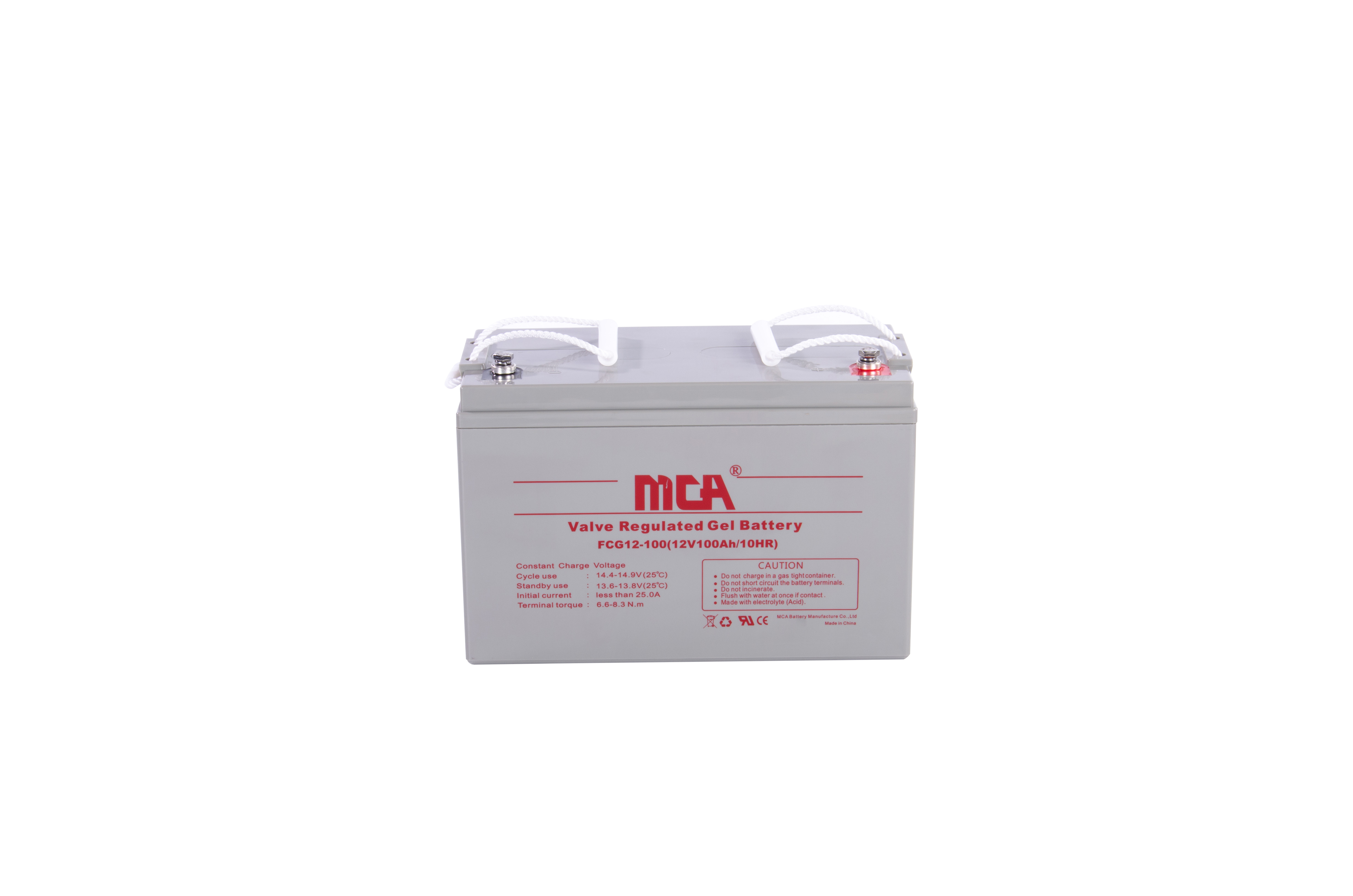
Gel batteries, a variant of lead-acid batteries, use a gelled electrolyte. They are less susceptible to leakage but may not deliver the same high discharge rates as AGM batteries.
4.4 Nickel-Cadmium (NiCad) Batteries
NiCad batteries are known for their robustness and ability to perform well in extreme temperatures. However, they suffer from memory effect, which can reduce their effective capacity over time.
4.5 Nickel-Metal Hydride (NiMH) Batteries
NiMH batteries have a higher capacity than NiCad batteries and are commonly used in hybrid vehicles. They are less prone to memory effect but can be more expensive.
5. Comparing High Rate AGM Batteries with Other Battery Types
When considering a battery for a specific application, the differences in performance, lifespan, and cost become paramount.
5.1 Performance Metrics
High Rate AGM batteries excel in applications requiring high bursts of power. Their ability to deliver substantial current in a short timeframe surpasses that of standard lead-acid and many other battery types. Lithium-ion batteries also provide high performance but come with higher costs.
5.2 Lifecycle and Reliability
AGM batteries generally have a longer lifecycle compared to traditional lead-acid batteries, lasting up to 8-12 years with proper maintenance. Lithium-ion batteries can outlast AGM batteries with cycles exceeding 2,000 but require stringent management systems to ensure longevity and safety.
5.3 Applications
AGM batteries are well-suited for **uninterrupted power supply (UPS)** systems, solar energy storage, and electric vehicles. In contrast, lithium-ion batteries are prevalent in portable devices and electric cars due to their superior energy density.
5.4 Cost Analysis
The upfront cost of High Rate AGM batteries is typically lower than that of lithium-ion batteries, making them an attractive option for many applications. However, when factoring in lifecycle and overall performance, lithium-ion may provide better long-term value in certain scenarios.
6. Advantages and Disadvantages of High Rate AGM Batteries
Understanding the pros and cons of High Rate AGM batteries helps users make informed decisions.
6.1 Advantages
- **Safety**: AGM batteries are sealed and contain no free liquid electrolyte, reducing the risk of spills and leaks.
- **Versatility**: They can be used in a variety of applications, from solar power to automotive starting.
- **Low Self-Discharge Rate**: AGM batteries maintain charge well over time, making them suitable for infrequent use.
6.2 Disadvantages
- **Weight**: AGM batteries are heavier than lithium-ion batteries, which can be a consideration for portable applications.
- **Temperature Sensitivity**: Performance can degrade in extreme temperatures, especially if not designed for such conditions.
7. The Future of Battery Technology
As technology continues to evolve, the landscape of battery technology is rapidly changing. Researchers are exploring new materials and chemistries that could enhance energy density, reduce costs, and improve safety. Innovations in solid-state batteries and advanced lithium-ion technologies are paving the way for safer, longer-lasting power solutions.
8. Conclusion
In conclusion, High Rate AGM batteries offer an excellent balance of performance, safety, and cost-effectiveness, making them a preferred choice for various applications. While they may not surpass lithium-ion batteries in energy density, their advantages in maintenance-free operation and high discharge capabilities make them ideal for specific needs. As battery technology continues to progress, understanding these distinctions will empower consumers and businesses alike to choose the right battery type for their power solutions.
9. Frequently Asked Questions
1. What is the lifespan of a High Rate AGM battery?
The lifespan of a High Rate AGM battery typically ranges from 8 to 12 years, depending on usage and maintenance.
2. Are AGM batteries safe to use?
Yes, AGM batteries are considered safe due to their sealed design, which prevents leaks and spills.
3. Can AGM batteries be used in extreme temperatures?
While AGM batteries can perform in various temperatures, extreme conditions can affect their performance and lifespan.
4. What applications are High Rate AGM batteries best suited for?
AGM batteries are ideal for applications requiring high bursts of power, such as UPS systems, solar energy storage, and electric vehicles.
5. How do AGM batteries compare to lithium-ion batteries?
AGM batteries are generally more affordable upfront and provide reliable performance, whereas lithium-ion batteries offer higher energy density and longer total cycle life but at a higher cost.
Relevant News

DO YOU HAVE QUESTIONS?
Get In Touch With Us!

MCA Battery Manufacture Co.,Ltd.
WhatsApp/Tel: +86 15919097582
E-mail: export@mcabattery.com
Add: Cangjing Industrial Park, Gaoming, Foshan city, Guangdong Province, China.


