

03
2026
-
06
Understanding Generation Lithium Batteries: The Future of Energy Storage
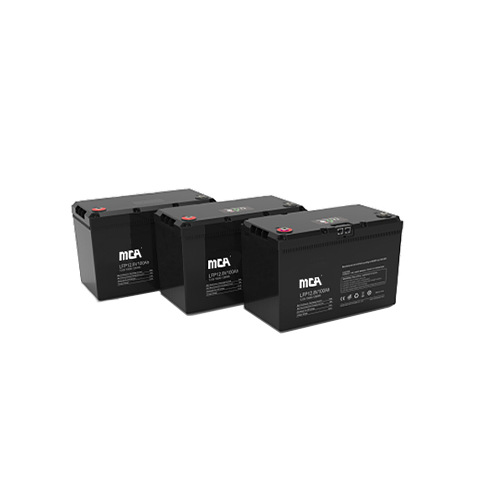
Generation Lithium Batteries represent a significant advancement in energy storage technology, playing a crucial role in the evolving landscape of renewable energy and electric mobility. These batteries, primarily composed of lithium-ion cells, are known for their high energy density, long cycle life, and lightweight characteristics, making them ideal for various applications, including electric vehicles (EVs), portable electronics, and renewable energy storage systems.
One of the distinguishing features of Generation Lithium Batteries is their efficiency. Compared to traditional lead-acid or nickel-cadmium batteries, lithium-ion batteries can store more energy in a smaller and lighter package. This advantage not only enhances the performance of electric vehicles, allowing for longer ranges between charges but also contributes to the overall reduction of vehicle weight, which further improves energy efficiency.
Another key aspect of Generation Lithium Batteries is their impressive cycle life. A typical lithium-ion battery can endure hundreds to thousands of charge-recharge cycles without significant degradation. This longevity translates into lower replacement costs and less environmental waste over time. Moreover, advancements in battery chemistry and design continue to improve the lifespan and safety of these batteries, making them a more reliable choice for consumers and industries alike.
Safety is a critical consideration in the development of Generation Lithium Batteries. Modern batteries incorporate various safety features, such as thermal management systems and built-in safeguards against overcharging, which help prevent accidents. Additionally, ongoing research aims to enhance the overall safety and stability of lithium battery technology, addressing concerns that have arisen in the past.
The environmental impact of Generation Lithium Batteries is another topic of interest. While lithium extraction and battery manufacturing do present environmental challenges, advancements are being made in recycling technologies and sustainable mining practices. As the demand for electric vehicles and renewable energy sources grows, so too does the focus on creating a circular economy for lithium batteries, where materials are reused and recycled effectively.
In summary, Generation Lithium Batteries are at the forefront of energy storage innovation, offering numerous benefits over traditional battery technologies. Their efficiency, longevity, and safety features make them a preferred choice for a wide range of applications, from consumer electronics to electric vehicles and beyond. As technology continues to evolve, these batteries will play a critical role in shaping a sustainable energy future, paving the way for cleaner and more efficient energy solutions. Understanding the nuances of Generation Lithium Batteries is essential for anyone interested in the future of energy storage and its implications for our planet.
One of the distinguishing features of Generation Lithium Batteries is their efficiency. Compared to traditional lead-acid or nickel-cadmium batteries, lithium-ion batteries can store more energy in a smaller and lighter package. This advantage not only enhances the performance of electric vehicles, allowing for longer ranges between charges but also contributes to the overall reduction of vehicle weight, which further improves energy efficiency.
Another key aspect of Generation Lithium Batteries is their impressive cycle life. A typical lithium-ion battery can endure hundreds to thousands of charge-recharge cycles without significant degradation. This longevity translates into lower replacement costs and less environmental waste over time. Moreover, advancements in battery chemistry and design continue to improve the lifespan and safety of these batteries, making them a more reliable choice for consumers and industries alike.
Safety is a critical consideration in the development of Generation Lithium Batteries. Modern batteries incorporate various safety features, such as thermal management systems and built-in safeguards against overcharging, which help prevent accidents. Additionally, ongoing research aims to enhance the overall safety and stability of lithium battery technology, addressing concerns that have arisen in the past.
The environmental impact of Generation Lithium Batteries is another topic of interest. While lithium extraction and battery manufacturing do present environmental challenges, advancements are being made in recycling technologies and sustainable mining practices. As the demand for electric vehicles and renewable energy sources grows, so too does the focus on creating a circular economy for lithium batteries, where materials are reused and recycled effectively.
In summary, Generation Lithium Batteries are at the forefront of energy storage innovation, offering numerous benefits over traditional battery technologies. Their efficiency, longevity, and safety features make them a preferred choice for a wide range of applications, from consumer electronics to electric vehicles and beyond. As technology continues to evolve, these batteries will play a critical role in shaping a sustainable energy future, paving the way for cleaner and more efficient energy solutions. Understanding the nuances of Generation Lithium Batteries is essential for anyone interested in the future of energy storage and its implications for our planet.
Relevant News

DO YOU HAVE QUESTIONS?
Get In Touch With Us!

MCA Battery Manufacture Co.,Ltd.
WhatsApp/Tel: +86 15919097582
E-mail: export@mcabattery.com
Add: Cangjing Industrial Park, Gaoming, Foshan city, Guangdong Province, China.


