

17
2026
-
07
Troubleshooting Common Issues with Storage AGM Batteries: A Comprehensive Guide
Troubleshooting Common Issues with Storage AGM Batteries
Understanding AGM Batteries
What are AGM Batteries?
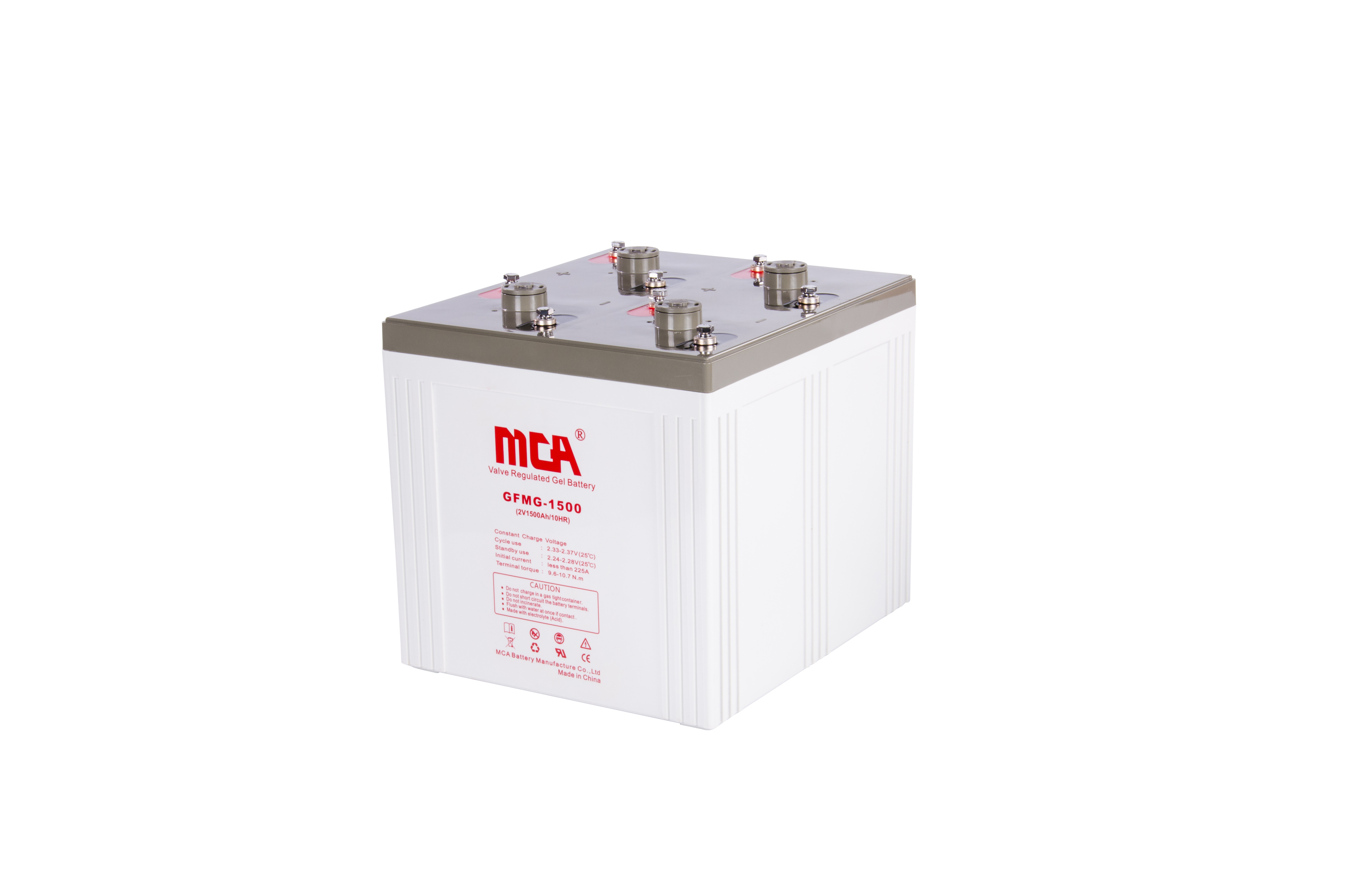
AGM (Absorbent Glass Mat) batteries are a type of lead-acid battery that utilize a fiberglass mat to absorb and hold the electrolyte. This design creates a sealed, maintenance-free battery that is resistant to spills and leaks, making it a popular choice for a variety of applications, including renewable energy storage, marine use, and electric vehicles.
Advantages of Using AGM Batteries
AGM batteries offer several benefits:
- **Low self-discharge rate**: They can hold a charge longer than traditional lead-acid batteries.
- **High cycling capabilities**: AGM batteries endure more charge and discharge cycles without significant degradation.
- **Safety**: The sealed design minimizes the risk of acid spills, enhancing safety in various environments.
- **Durability**: AGM batteries are less susceptible to damage from vibrations, making them ideal for mobile applications.
Common Issues with Storage AGM Batteries
Despite their numerous advantages, AGM batteries can experience issues that affect their performance. Below, we outline common problems and their potential solutions.
1. Battery Not Holding Charge
One of the most frustrating issues is when your AGM battery fails to hold a charge. Several factors can contribute to this problem:
Causes:
- **Sulfation**: This occurs when lead sulfate crystals form on the battery plates due to prolonged discharging.
- **Overcharging**: Excessive charging can lead to overheating and damage the battery.
- **Age**: Like all batteries, AGM batteries have a limited lifespan, typically ranging from 5 to 7 years.
Solutions:
- **Desulfation**: Use a battery charger with a desulfation mode to break down the lead sulfate crystals.
- **Check Charging System**: Ensure your charger is suitable for AGM batteries and not overcharging.
- **Replace the Battery**: If the battery is significantly aged and losing capacity, consider replacing it.
2. Reduced Capacity and Power Output
If you notice that your AGM battery is not performing as expected, it may be suffering from reduced capacity.
Causes:
- **Low electrolyte levels**: Although AGM batteries are sealed, extreme conditions can cause electrolyte depletion.
- **Internal short circuits**: These can reduce the overall power output.
Solutions:
- **Inspect Connections**: Ensure all terminals and connections are clean and tight.
- **Battery Load Test**: Perform a load test to assess the battery’s performance under realistic conditions.
- **Consult a Professional**: If problems persist, seek advice from a battery technician.
3. Swelling or Bulging Battery Case
A swollen battery case can indicate a serious issue, often linked to overcharging or temperature extremes.
Causes:
- **Overcharging**: Results in excessive gas buildup, leading to swelling.
- **High temperatures**: Prolonged exposure to heat can damage the battery.
Solutions:
- **Disconnect Immediately**: If you notice swelling, disconnect the battery from the power source to prevent further damage.
- **Check Charger Settings**: Ensure your charger is compatible with AGM batteries and set to the correct voltage.
- **Disposal**: A swollen battery should be replaced and disposed of properly.
Preventive Maintenance for AGM Batteries
Regular maintenance can prevent many common issues associated with AGM batteries. Here are some tips:
1. Regular Inspection
Conduct routine checks on your AGM battery for signs of wear, such as corrosion on terminals or physical damage to the case.
2. Optimal Charging Practices
Use a smart charger designed specifically for AGM batteries. Ensure that charging cycles are appropriate and avoid overcharging.
3. Temperature Control
Store AGM batteries in a controlled environment. Extreme temperatures can adversely affect performance and lifespan.
4. Use the Right Accessories
Choose compatible chargers and accessories that are designed for AGM batteries to optimize performance and safety.
FAQs About AGM Battery Troubleshooting
1. How do I know if my AGM battery is still good?
You can perform a load test to see if your battery can hold a charge under simulated use. If it fails to meet the specifications, it may need replacement.
2. Can AGM batteries be recharged after being deeply discharged?
Yes, AGM batteries can be recharged after deep discharge, but repeated deep discharges can shorten their lifespan.
3. What is the average lifespan of an AGM battery?
Typically, AGM batteries last between 5 to 7 years, depending on usage and maintenance.
4. How can I safely dispose of an old AGM battery?
Take your old AGM battery to a recycling center or a local automotive store that offers battery recycling services.
5. Are AGM batteries maintenance-free?
While AGM batteries require less maintenance than traditional lead-acid batteries, periodic inspections and proper charging practices are still essential for longevity.
Conclusion
Troubleshooting common issues with storage AGM batteries doesn't have to be daunting. By understanding potential problems, causes, and solutions, users can effectively maintain optimal battery performance. Regular inspection, proper charging, and adherence to best practices can significantly extend the lifespan and reliability of AGM batteries. This knowledge empowers users to take proactive measures, ensuring they get the most out of their investment in AGM technology. Whether you're a beginner or an experienced user, mastering these troubleshooting techniques will enhance your understanding and management of AGM batteries.

DO YOU HAVE QUESTIONS?
Get In Touch With Us!

MCA Battery Manufacture Co.,Ltd.
WhatsApp/Tel: +86 15919097582
E-mail: export@mcabattery.com
Add: Cangjing Industrial Park, Gaoming, Foshan city, Guangdong Province, China.


