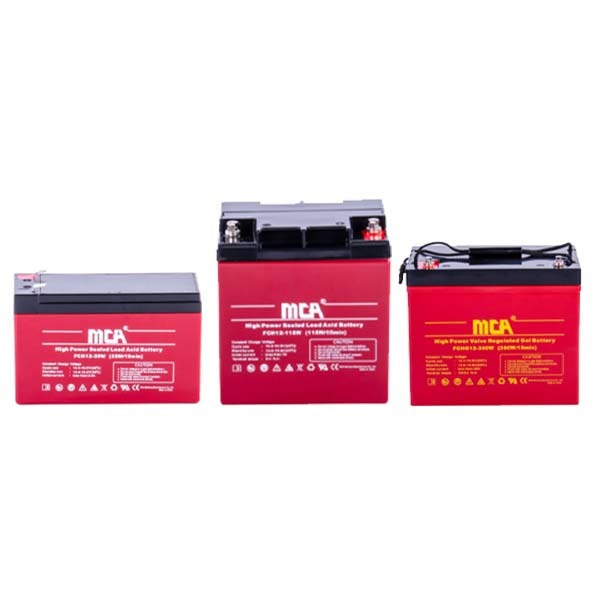
Household energy storage is rapidly becoming a core pillar of the global energy transition, reshaping how families generate, store, and consume electricity. Driven by rising energy prices, increasing grid instability, and the widespread adoption of renewable energy, household energy storage systems are no longer a niche technology but a mainstream solution for modern homes seeking efficiency, resilience, and sustainability.
At its core, household energy storage refers to battery systems installed in residential settings to store electricity for later use. These systems commonly work alongside rooftop solar panels, capturing excess power generated during the day and releasing it when demand is higher in the evening or when sunlight is unavailable. By doing so, households can significantly reduce reliance on the public grid and maximize the use of clean, self-generated energy.
One of the most important benefits of household energy storage is cost control. In many regions, electricity prices fluctuate throughout the day, with peak tariffs applied during high-demand periods. Energy storage allows households to store electricity when prices are low or when solar generation is abundant, then use that stored power during peak hours. This “load shifting” capability can result in substantial long-term savings on electricity bills, especially in markets with time-of-use pricing.
Energy security is another key driver behind the growing adoption of household energy storage. Extreme weather events, aging grid infrastructure, and increasing electricity demand have made power outages more common in many countries. With a household energy storage system in place, homes can maintain essential power supply during blackouts, keeping lights on, refrigerators running, and communication devices charged. For families working from home or relying on medical equipment, this level of reliability is becoming a necessity rather than a luxury.
From a sustainability perspective, household energy storage plays a vital role in accelerating the transition to renewable energy. Solar and wind power are inherently intermittent, generating electricity only when conditions allow. By storing excess renewable energy, household batteries help smooth out supply fluctuations and reduce the need for fossil-fuel-based backup power plants. On a larger scale, widespread residential storage adoption can ease pressure on national grids and support higher penetration of renewable energy sources.
Technological advancements have also contributed to the rapid growth of household energy storage. Modern lithium-based batteries offer higher energy density, longer cycle life, and improved safety compared to earlier technologies. Smart energy management systems now allow users to monitor and control energy usage in real time through mobile apps, optimizing performance based on weather forecasts, electricity prices, and household consumption patterns. These intelligent features make energy storage more user-friendly and efficient than ever before.
The market for household energy storage is expanding globally, with particularly strong growth in regions such as Europe, North America, and parts of Asia-Pacific. Government incentives, subsidies, and favorable regulations have played a crucial role in encouraging adoption. In some countries, homeowners are rewarded for feeding stored energy back into the grid, creating new opportunities for household-level energy trading and additional income streams.
Despite its advantages, household energy storage still faces challenges. Initial installation costs remain a barrier for some consumers, although prices continue to decline as production scales up and technology matures. Awareness and education are also important, as many homeowners are still unfamiliar with how energy storage systems work and how they can be integrated into existing homes. Industry players are responding by offering flexible financing options, modular system designs, and comprehensive after-sales support to lower adoption hurdles.
Looking ahead, household energy storage is expected to become an integral part of smart home ecosystems. As electric vehicles, heat pumps, and intelligent appliances become more common, residential energy systems will evolve into fully interconnected networks. Household batteries will not only store energy but also actively participate in grid balancing, demand response programs, and community-level energy sharing.
In conclusion, household energy storage represents a transformative shift in the way energy is produced, managed, and consumed at the residential level. By combining economic benefits, energy security, and environmental responsibility, it empowers households to take control of their energy future. As technology advances and supportive policies continue to emerge, household energy storage is set to play a decisive role in building a more resilient, efficient, and sustainable global energy system.